
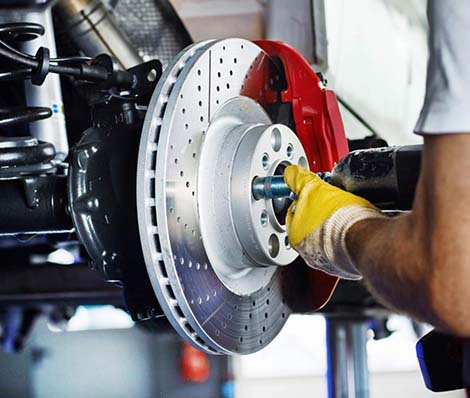
At EXPRESS AutoCare, we offer comprehensive brake and braking system services—including inspection, diagnostics, maintenance, and repair—for all vehicle types, makes, and models, whether internal combustion, hybrid (HEV/PHEV), or electric (EV), and whether North American or imported.
Our team also possesses recognized expertise in the maintenance and repair of European vehicles, as well as a specialization in Tesla vehicles, utilizing state-of-the-art diagnostic equipment and procedures that comply with manufacturer recommendations.
WHAT OUR TECHNICIANS DO:Following the inspection, our technicians will present a clear report of their findings, along with the necessary recommendations to ensure safe braking and maximize the service life of the components.
WARNING SIGNS:SERVICE TIPS:
Most manufacturers recommend checking the brake system every 12 months or 20 thousand kilometers (12,000 miles), in addition it is also essential to have the brake fluid replaced every 24 months or 40 thousand kilometers (30,000 miles).
Schedule A Quick Appointment (450) 681-1414






Visual inspection, braking system looking for any signs of damage, wear, or leaks. Checking brake lines, hoses, and fittings for signs of corrosion, cracks, or leaks.
Brake pads and shoes, inspect for wear. Measure brake pads thickness to determine if they need replacement.
Brake rotors and drums, check for signs of wear, scoring or warping. Measure rotors or drums thickness to determine if they need replacement.
Brake calipers and wheel cylinders, inspect the brake calipers and wheel cylinders for leaks. Look for any signs of brake fluid leakage around the calipers and wheel cylinders.
Brake fluid, check brake fluid level. Inspect brake fluid for signs of contamination or discoloration. If the fluid appears dirty or contaminated, it may need to be flushed and replaced.
Parking brake, test parking opertaion brake to ensure it holds the vehicle securely in place.
Maintaining your vehicle's brakes promotes safety, prolongs the life of brake components and helps avoid costly repairs.
Brake maintenance service, it includes cleaning pads, discs and calipers pins to remove excessive rust.
Electronic Parking Brake, EPB system requires regular maintenance and service to ensure proper function. This includes inspection of the EPB motor, actuator, and brake pads.
Anti-Lock warning light (ABS). Scanner analysis to retrieve ABS fault codes from the vehicle's computer. These codes will provide specific information about the nature of the problem. Common codes include issues with wheel speed sensors, ABS control module, or hydraulic pump motor.
Electronic Parking Brake. Electromechanical calipers (EPB), check for any fault codes or issues. These codes will provide specific information about the nature of the problem.
Brake pads and discs replacement, if the brake pads and discs are worn beyond the manufacturer's specifications or show uneven wear, Replacing brake pads and to ensure the safety and proper functioning of your vehicle's braking system.
Anti-Lock Brake System (ABS). Test the ABS system to ensure it is functioning properly. Address any ABS warning lights or error codes promptly.
Replacement of brake pads, rotors, calipers and hardware.
Electronic Parking Brake. Servicing electromechanical calipers (EPB), involves specific steps to ensure proper function and safety, replacement purge and system reset.
Brake fluid test, drain and bleed the braking system, according to your vehicle's manufacturer's recommendations.
Vehicle road test before delivery, using several simulations and driving maneuvers to test braking system performance to ensure proper operation, maneuverability and road holding.
When driving off-road, Brake management may be slightly different compared to normal road driving due to varying terrain conditions. Here are some specific tips for managing brakes when driving Off-Road:
Anticipation And Speed Control:
- Anticipate obstacles and changes in terrain to reduce the need to brake suddenly. Maintain a moderate and controlled speed depending on the terrain conditions.
Using Engine Braking:
- When descending slopes, use engine braking as much as possible to control your speed and reduce the load on the mechanical brakes.
Gradual Braking:
- If you must brake, apply the brakes gradually and evenly to avoid locking the wheels and losing control of the vehicle. Avoid sudden braking which could cause wheel slipping or spinning.
Gear Ratio Selection:
- If your vehicle has a manual transmission or shift options, select the appropriate gear for the terrain to maintain optimal control without overloading the brakes.
Regular Inspection:
- Before going on an off-road excursion, make sure your brakes are in good working order. Check the brake pads for wear and make sure there are no brake fluid leaks.
Keep The Brakes Dry:
- Avoid crossing deep streams or muddy areas if possible, as water and mud can cause a temporary decrease in brake effectiveness.
Maintain A Safety Margin:
- Always maintain a sufficient safety distance from other vehicles or obstacles to have time to react in an emergency without having to brake suddenly.
Training and Practice:
- If you are new to off-road driving, consider taking specific training to learn proper driving techniques, including brake management in varied off-road conditions.
By following these tips, you will be able to better manage your brakes and improve your safety when driving Off-Road.
When it comes to vehicle brakes here are some helpful tips from the service:
Regular inspection:
- Have your brakes inspected regularly, ideally during each scheduled maintenance. This will help detect any signs of wear or malfunction before they become a major problem.
- Follow the manufacturer's maintenance recommendations for your vehicle, including replacement intervals for brake pads, brake rotors, and brake fluid.
Listen For Warning Signs:
- Such as squealing, rubbing or vibration when braking. These signs often indicate a problem with the brakes that requires immediate inspection.
Avoid Sudden Braking:
- Whenever possible, especially at high speeds. Harsh braking can cause the brakes to overheat and lose traction, compromising safety.
Adapt Your Driving:
- Style according to road and traffic conditions. Keep an adequate safe distance and anticipate situations where you may need to brake sooner.
Trust the professionals:
- If in doubt about the condition of your brakes or if you are experiencing braking problems, consult a qualified professional. Don't take risks with the safety of your vehicle and that of others on the road.
By following these service tips, you can keep your brakes working properly and ensure safe, reliable driving.
Complete Automobile & Truck Services
- Our specialized brake technicians will perform a number of tasks to ensure the proper functioning of a vehicle's brake system.
Here's an outline of what our technicians typically do when performing brake-related services:
Initial Inspection:
- Our technicians will perform a visual inspection of the brake system components, including brake rotors, brake pads, calipers, brake drums (if applicable), brake hoses and brake lines, to detect any signs of wear, damage or other issues.
Brake Maintenance:
- Cleaning and lubricating brake components, including calipers, pads and rotors, to remove any buildup of brake dust and dirt. Lubrication of the pads' contact points with the calipers to ensure smooth movement.
Repair and replacement:
- If the brake pads and discs are worn beyond the manufacturer's recommended safety threshold, our technicians will replace them with new ones to ensure efficient and optimal braking.
- If the brake calipers are damaged or leaking brake fluid, they will be repaired or replaced to ensure proper operation of the braking system.
Brake Fluid:
- Our technicians will check the level and condition of the brake fluid, replace it and bleed the system if necessary to eliminate air and contaminants, which could compromise braking effectiveness.
Braking Test:
- Once the work has been carried out, our technicians will carry out braking tests to verify the proper functioning of the system and ensure that it meets the required safety standards.
Anti-Lock Brake (ABS) Warning Light:
- If your vehicle's anti-lock brake (ABS) light is illuminated, it may indicate a problem in the anti-lock brake system.
- Depending on diagnostic results, faulty ABS system components, such as wheel speed sensors, ABS brake actuators or ABS control modules, may require repair or replacement.
Resetting the ABS Light:
- After repairs have been made, the ABS light may require a reset using the vehicle's diagnostic tool to clear the trouble codes and turn off the light.
- Once repairs are completed, our technicians will perform a road test and additional check to ensure the problem has been resolved and that no malfunction warning lights come ON.